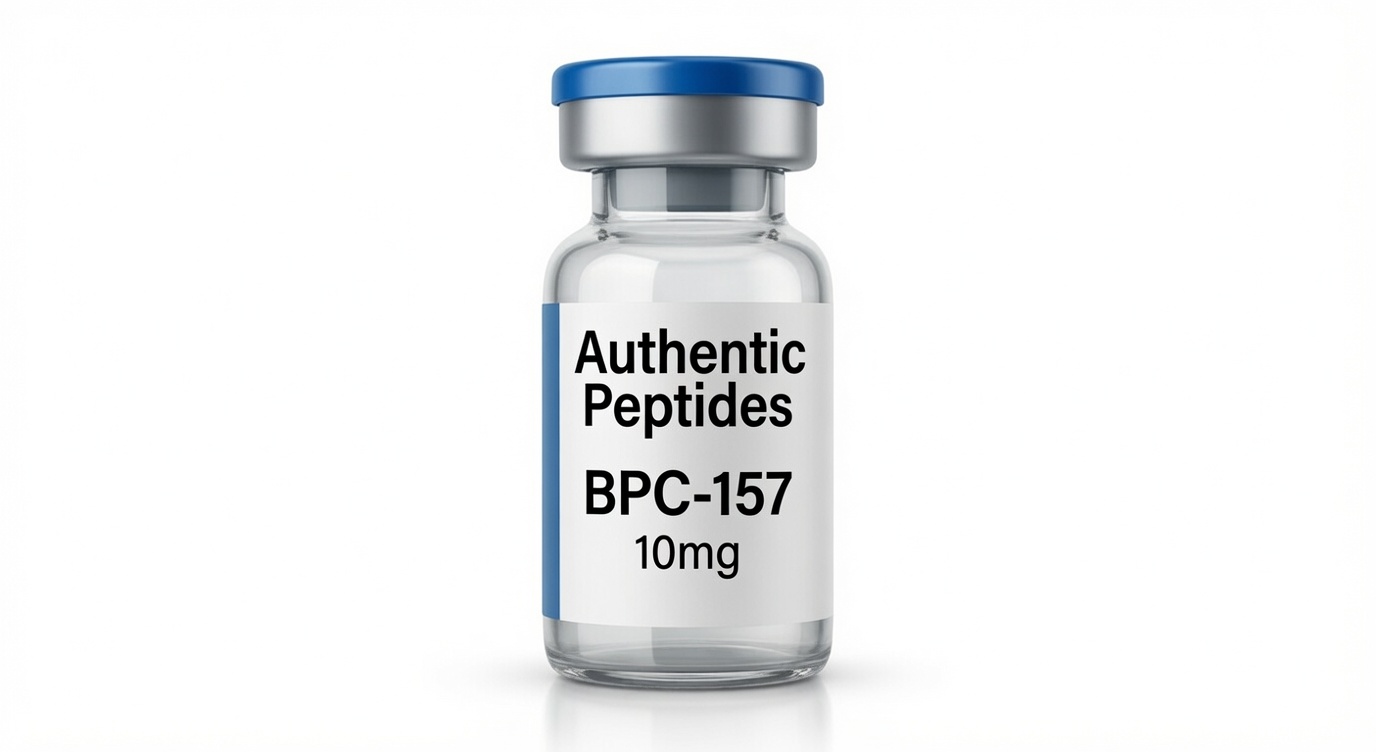
Overview
BPC-157 (Body Protection Compound-157) is a synthetic 15-amino-acid peptide (pentadecapeptide) derived from a protective sequence identified in gastric juice. It is one of the most extensively studied peptides in preclinical tissue-repair research.
Mechanism of action
- Angiogenesis via the VEGFR2–Akt–eNOS pathway: in vitro studies on endothelial cells show increased VEGFR2 expression and its internalisation.
- Modulation of the nitric oxide (NO) pathway and cytoprotective mechanisms.
- Involvement of the Src–Caveolin-1 and FAK–paxillin pathways in cell migration.
Research context
Available data are predominantly preclinical (in vitro and animal models): wound healing, tendons and ligaments, gastrointestinal mucosa, vascular recovery (CAM assays, endothelial tube formation). There is no large-scale human clinical trial; these results are not transferable to humans.
Quality assurance
- Purity ≥ 99 % verified by HPLC
- Certificate of Analysis (COA) available per batch
- Traceability: unique batch number on every vial
Format & handling
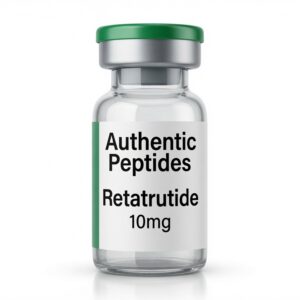
Presentation: lyophilised powder, 10 mg / vial · Reconstitution: bacteriostatic water · Storage: refrigerate the lyophilisate; after reconstitution, keep cold and protected from light.
References
- « Therapeutic potential of pro-angiogenic BPC-157 associated with VEGFR2 activation » (preclinical research).
- « Modulatory effects of BPC 157… Src-Caveolin-1-eNOS pathway », Scientific Reports, 2020.
For research use only. Product intended exclusively for scientific and laboratory research. Not intended for human or animal consumption.
Reviews
There are no reviews yet.